


Score 96/100
89 E Herman St
Philadelphia, PA 19144
- Purchase
- $169,000
- Est. rent
- $2,448/mo
- Cash flow
- $641/mo
- Cap rate
- 10.9%
Why we like it: hits the 1% rule · 10.9% cap is well above the 7% floor most investors require.
See full rankingDistressed and underpriced properties with the highest BRRRR potential — ranked by ARV upside, rehab spread, and post-refinance cash flow. Ideal for investors recycling capital.
Researched and analyzed byAustin Reese·Updated October 2026·Data sourced from market APIs and internal analysis tools
Updated October 18, 2026 · 30 properties
26 new deals added in the last 24h — see what changed below

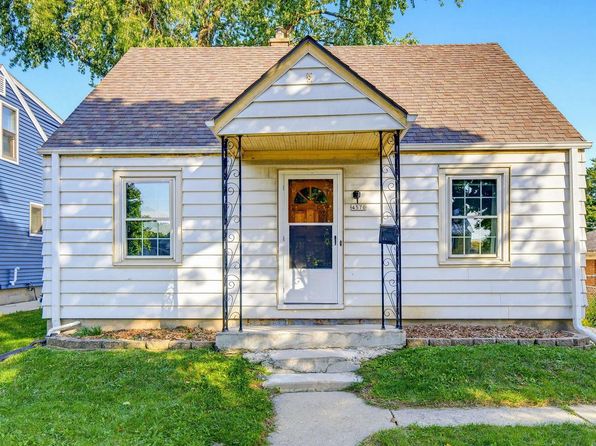
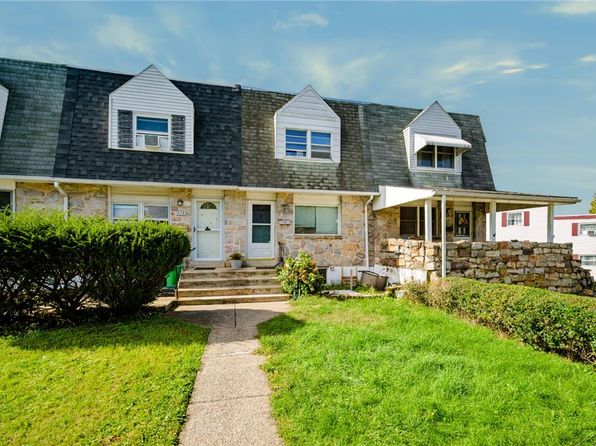
Philadelphia, PA 19144
$2,448/mo
$641/mo
10.9%
$899/mo
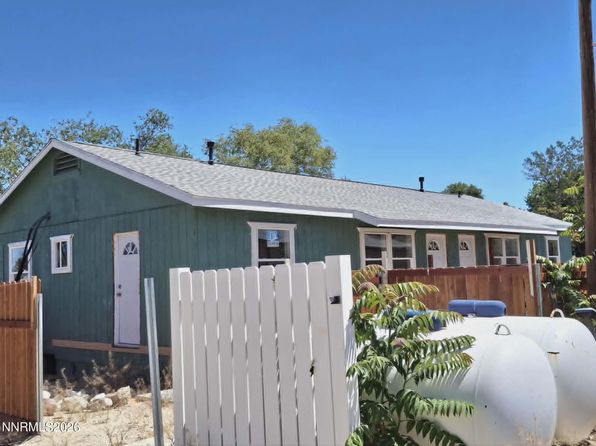
Allentown, PA 18103
$1,884/mo
$495/mo
11.1%
$665/mo
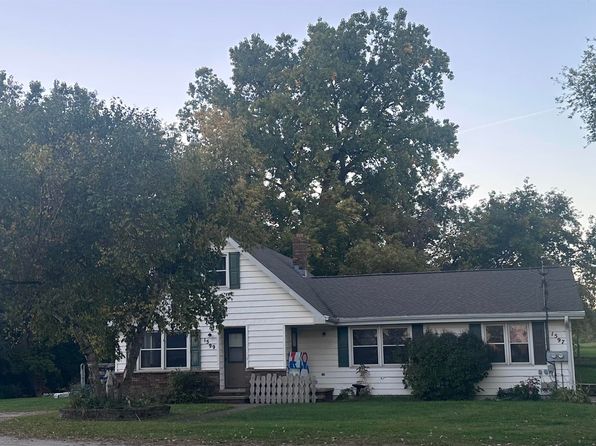
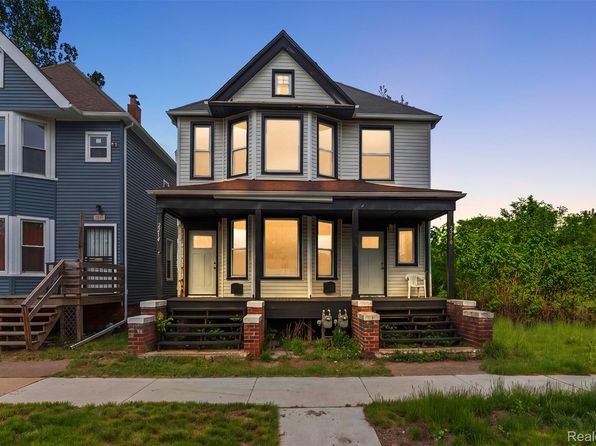
Neenah, WI 54956
$3,478/mo
$978/mo
11.3%
$1,277/mo
Sign in and upgrade to Pro to access all 30 deals.
BRRRR — Buy, Rehab, Rent, Refinance, Repeat — is the closest thing real estate investing has to a capital-multiplying flywheel. Done right, you put $50k into a deal, force $50k+ in equity through value-add rehab, refinance to pull most or all of your $50k back out, then redeploy that same $50k into the next property. Every successful cycle adds a cash-flowing rental to your balance sheet without consuming new capital.
The hinge of the entire strategy is the spread between After Repair Value (ARV) and total all-in cost (purchase + rehab + holding + closing). The classic '70% rule' says: don't go in unless your all-in is at most 70% of ARV. That 30% margin gives you room to refinance at 75% LTV and walk out with most of your capital intact. RealixData's BRRRR score blends the ARV spread with post-refi cash flow and the local price-to-rent ratio — so a property on this page isn't just a discount, it's a discount that will refinance and cash flow.
BRRRR works best when three things line up: (1) a wide visible spread between distressed and renovated comps in the same neighborhood, (2) strong rental demand to support the post-rehab rent assumption, and (3) lender willingness to refinance investor properties at 75% LTV — which is increasingly tied to DSCR loan availability rather than your personal income. The markets where all three line up most consistently are Cleveland, Memphis, Indianapolis, Kansas City, Birmingham, Pittsburgh, Toledo, Dayton, and pockets of Detroit and St. Louis.
What separates a real BRRRR candidate from a money pit? The properties on this page typically share: (a) cosmetic-only deferred maintenance (paint, flooring, kitchens, baths, exterior cleanup) — NOT structural, foundation, sewer, or major mechanical issues, (b) priced 20–35% below renovated comps in the same zip, (c) ARV that supports a 75% LTV refinance leaving the new mortgage payment under 70% of new gross rent, and (d) located in a zip with at least one verified rental comp at the projected rent within the last 90 days.
What can go wrong: rehab cost overruns are the single most common BRRRR failure mode. A contractor walking away halfway through, a foundation surprise, an unpermitted addition that has to be remediated — any of these can take a 20% rehab contingency and turn it into a 100% overrun. Always: get a contractor walk-through quote BEFORE closing (not after), add a hard 20% contingency to whatever number that contractor gives you, and line up your refinance lender BEFORE you start the rehab — that way you know exactly what appraisal they need and you can build the rehab to that target.
If you're new to BRRRR, start by analyzing the live deals below using our Cash Flow Calculator with three scenarios: optimistic (rehab on budget, top-of-market rent), realistic (rehab 15% over budget, market-median rent), and pessimistic (rehab 30% over budget, 90% of market rent). If the deal still cash flows in the pessimistic case, it's worth a deeper look. If it only works in the optimistic case, walk.
Pulled in real-time from RealixData's deal scanner — these are actual active listings re-priced with our cash-flow + ROI model. Updated every 12 hours.
Philadelphia, PA 19144
Why we like it: hits the 1% rule · 10.9% cap is well above the 7% floor most investors require.
See full rankingAllentown, PA 18103
Why we like it: hits the 1% rule · 11.1% cap is well above the 7% floor most investors require.
See full rankingNeenah, WI 54956
Why we like it: hits the 1% rule · 11.3% cap is well above the 7% floor most investors require.
See full rankingWant to dig into the underwriting? Browse the full Top Deals list or run the numbers yourself with our Cash Flow Calculator.
BRRRR has more moving parts than a buy-and-hold deal — you're underwriting purchase price, rehab cost, post-rehab rent, AND a future refinance simultaneously. Here's how we model each piece.
These are the inputs RealixData uses unless you override them in the calculator. They're conservative on purpose — a deal that pencils with these numbers has real margin of safety.
Vacancy
5% of gross rent (industry-standard for stabilized SFR / small MF)
Maintenance
8% of gross rent (covers turnover, repairs, periodic capex)
Property management
8% of gross rent (used even for self-managed deals — it's a real opportunity cost)
Property tax
Pulled live from county assessor data via Realie API; falls back to state average if unavailable
Insurance
0.5% of purchase price annually (adjusted up to 1.2% for FL coastal, hail-belt TX/OK, wildfire-zone CA)
Mortgage rate
Live 30-year fixed investor rate, refreshed daily from FRED / Mortgage News Daily
Down payment
20% (changeable on the calculator if you put more or less down)
HOA
Pulled from listing where available; defaults to $0 when not disclosed
Override any of these on a per-deal basis using our Cash Flow Calculator. Curious how the deal score itself works? See the full scoring breakdown.
BRRRR is the acronym for Buy, Rehab, Rent, Refinance, Repeat. It's a value-add strategy where you purchase a distressed or underpriced property, renovate it, place a tenant for cash flow, then do a cash-out refinance against the new (higher) appraised value to pull most or all of your initial capital back out — letting you recycle the same capital into the next deal.
Total cash in is typically 25%–35% of the After Repair Value (ARV): 25% down on the purchase, plus 100% of the rehab cost, plus closing/holding costs. On a $200k ARV duplex, that's usually $40–$60k cash to start. After a successful refinance at 75% LTV of ARV, you can pull $150k back out — leaving most of your original capital available for the next deal.
Target the 70% rule: total purchase price + rehab ≤ 70% of ARV. Example: ARV $200k → all-in (purchase + rehab) ≤ $140k. After refinancing at 75% LTV, you pull $150k out of a $140k all-in cost, recovering 100% of your capital and generating equity. Cash flow after the new mortgage should still hit $200+/month per unit. Anything tighter than 70% is squeezing margin too thin.
BRRRR works best in markets with: (1) a wide spread between distressed and renovated values, (2) strong rental demand, and (3) lender willingness to refinance investor properties. The most active BRRRR markets we see are Cleveland, Memphis, Indianapolis, Kansas City, Birmingham, Pittsburgh, Detroit (specific zips), Toledo, Dayton, and St. Louis. These markets have plenty of $80k–$140k distressed inventory that retails for $150k–$220k post-rehab.
Yes, but the math is tighter. The refinance step is the choke point — at 7%+ investor rates, the new mortgage payment eats into cash flow. Workarounds: focus on higher-rent markets (Memphis, Cleveland), use DSCR loans (which size off the property's income, not yours), or accept that you may leave 10–20% of capital in the deal instead of pulling 100% out. The strategy still beats buying turnkey at retail in most analysis we've run.
Underestimating rehab cost. The single most common BRRRR failure is a contractor walking away mid-project, or a foundation/electrical/plumbing surprise that doubles the budget. Always (1) get a contractor walk-through quote BEFORE closing — not after, (2) add a 20% rehab contingency to whatever number you get, and (3) line up your refinance lender BEFORE you start the rehab so you know exactly what they'll appraise at.
Austin Reese · Founder, RealixData
Austin Reese is the founder of RealixData, a real estate investment analysis platform that evaluates cash flow, cap rate, and ROI using live market data across 100 US markets. He has spent years analyzing rental properties and investment deals across the Southeast and Midwest, focusing on data-driven underwriting for buy-and-hold, multifamily, and BRRRR investors. RealixData was built to make the same analysis he does on his own deals available to every investor — without the spreadsheet.
Search all markets, run detailed analysis, and get deal alerts with a free account.