
Score 97/100
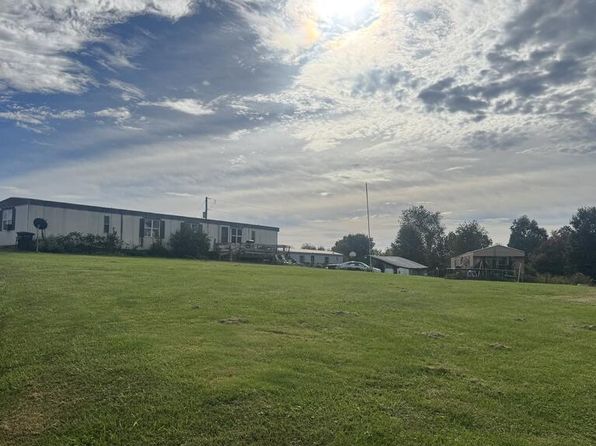
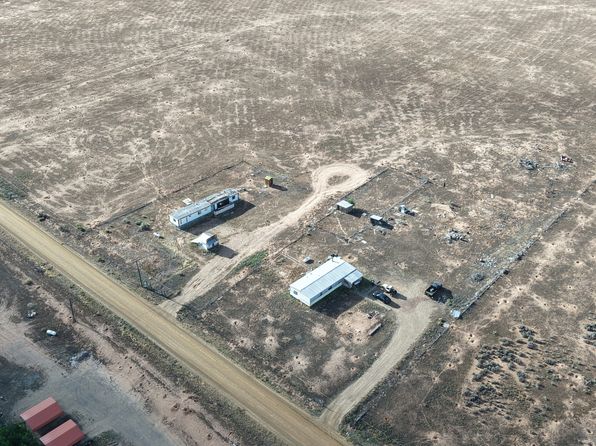
31 Bray St
Warrenton, GA 30828
- Purchase
- $149,900
- Est. rent
- $2,249/mo
- Cash flow
- $616/mo
- Cap rate
- 11.3%
Why we like it: hits the 1% rule · 11.3% cap is well above the 7% floor most investors require.
See full rankingThe best duplex, triplex, and quadplex listings ranked by cash flow, cap rate, and ROI. Multifamily properties give you multiple income streams from one purchase — and they qualify for conventional residential financing.
Researched and analyzed byAustin Reese·Updated October 2026·Data sourced from market APIs and internal analysis tools
Updated October 9, 2026 · 21 properties
5 new multifamily deals added in the last 24h — see what changed below

Warrenton, GA 30828
$2,249/mo
$616/mo
11.3%
$798/mo
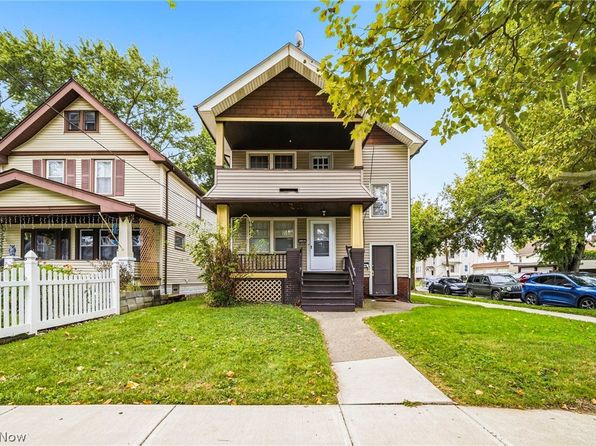
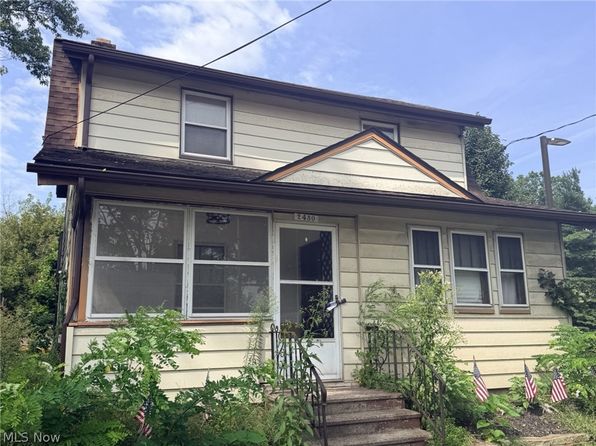
Cleveland, OH 44102
$2,700/mo
$772/mo
11.5%
$958/mo
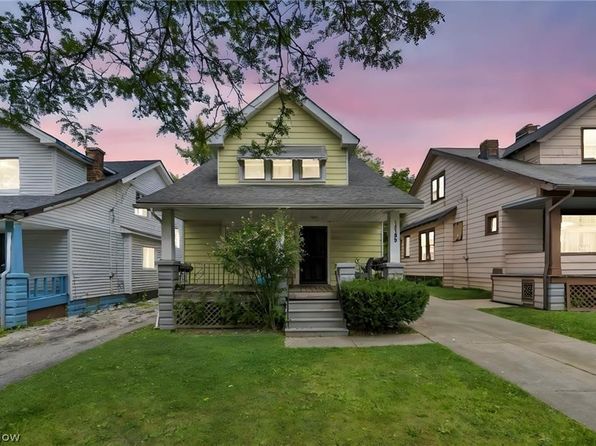
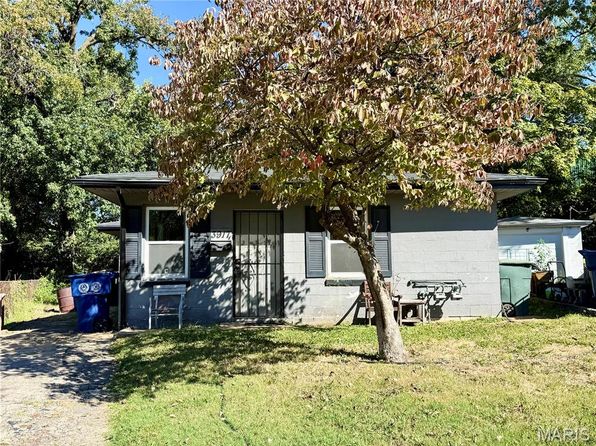
Cleveland, OH 44105
$2,100/mo
$565/mo
11.2%
$745/mo
Sign in and upgrade to Pro to access all 21 deals.
Multifamily properties — duplexes, triplexes, and quadplexes — are one of the most asymmetric entry points for new real estate investors. They qualify for conventional residential financing (you don't need a commercial loan until you hit 5+ units), they generate multiple income streams from a single purchase, and they offer a built-in vacancy hedge: if one unit goes empty, the others still cover most of your mortgage.
House-hacking — living in one unit while renting the others — can eliminate your housing cost entirely. A duplex where you occupy one side and rent the other is the canonical first investment, and FHA's owner-occupant 3.5% down financing makes it accessible at a fraction of typical investor down payment requirements. After 12 months of owner-occupancy, you can move out, convert the property to a full rental, and repeat the strategy on a new purchase.
On a per-dollar-invested basis, small multifamily typically beats single-family rentals by 30–60%. A $220k duplex often produces $2,400/month in gross rent ($1,200/unit). A $220k single-family in the same neighborhood usually produces $1,700/month — meaning the duplex generates ~40% more income for the same purchase price.
RealixData ranks multifamily deals on the same deal score model as single-family — but multifamily benefits disproportionately from how we handle vacancy. Single-family vacancy is binary (you have a tenant or you don't); multifamily vacancy is fractional (a triplex with one empty unit is at 33% vacancy, not 100%). Our model captures this directly, so the deal scores you see on multifamily are not inflated by ignoring partial vacancy.
Strong multifamily markets for 2026 are concentrated in the Midwest, Southeast, and high-yield secondary markets where duplexes and triplexes still trade in the $120k–$220k range with rents that hit or exceed the 1% rule. Cleveland, Detroit, Memphis, Indianapolis, Kansas City, Birmingham, Pittsburgh, Milwaukee, and Toledo are all reliably producing deals on this page. Coastal Florida, Texas, and the Carolinas remain active but the entry price for a duplex has roughly doubled since 2020.
If you're new to multifamily, start with the single-family fundamentals: cash flow, cap rate, the 1% rule, and conservative expense ratios. Multifamily just multiplies all of those metrics across more units. The deals you see below are the highest-scoring small multifamily listings from our scanner — open any one to see the full per-unit rent breakdown, projected occupancy, and 10-year IRR.
Pulled in real-time from RealixData's deal scanner — these are actual active listings re-priced with our cash-flow + ROI model. Updated every 12 hours.
Warrenton, GA 30828
Why we like it: hits the 1% rule · 11.3% cap is well above the 7% floor most investors require.
See full rankingCleveland, OH 44102
Why we like it: hits the 1% rule · 11.5% cap is well above the 7% floor most investors require.
See full rankingCleveland, OH 44105
Why we like it: hits the 1% rule · 11.2% cap is well above the 7% floor most investors require.
See full rankingWant to dig into the underwriting? Browse the full Top Deals list or run the numbers yourself with our Cash Flow Calculator.
Multifamily properties have a few quirks single-family rentals don't — separate utility metering, per-unit vacancy modeling, sometimes individual rent rolls. Here's how we account for all of it.
These are the inputs RealixData uses unless you override them in the calculator. They're conservative on purpose — a deal that pencils with these numbers has real margin of safety.
Vacancy
5% of gross rent (industry-standard for stabilized SFR / small MF)
Maintenance
8% of gross rent (covers turnover, repairs, periodic capex)
Property management
8% of gross rent (used even for self-managed deals — it's a real opportunity cost)
Property tax
Pulled live from county assessor data via Realie API; falls back to state average if unavailable
Insurance
0.5% of purchase price annually (adjusted up to 1.2% for FL coastal, hail-belt TX/OK, wildfire-zone CA)
Mortgage rate
Live 30-year fixed investor rate, refreshed daily from FRED / Mortgage News Daily
Down payment
20% (changeable on the calculator if you put more or less down)
HOA
Pulled from listing where available; defaults to $0 when not disclosed
Override any of these on a per-deal basis using our Cash Flow Calculator. Curious how the deal score itself works? See the full scoring breakdown.
Yes — duplexes, triplexes, and quadplexes (2–4 units) qualify for conventional residential financing. FHA loans require just 3.5% down if you'll owner-occupy one unit. VA loans require 0% down for eligible veterans on owner-occupied 2–4 unit purchases. Only 5+ unit buildings require commercial loans, which carry higher rates, stricter reserves, and shorter amortization.
Typically yes on a per-dollar-invested basis. A duplex often produces 60–80% more gross rent than a comparable single-family home at a similar purchase price, because you're effectively buying two units' worth of rental income for the price of a slightly larger structure. They also reduce vacancy risk — if one unit is empty, the others still cover most of your mortgage.
For small multifamily (2–4 units): 7–9% cap rate is solid, 9%+ is strong, and below 6% is usually too thin for buy-and-hold given current interest rates. Coastal city deals (San Diego, Boston, Seattle) commonly trade at 4–5% cap, which only works if you're betting on appreciation — not cash flow. RealixData ranks multifamily listings by deal score, which weighs cap rate alongside cash flow and the 1% rule.
If you're a first-time buyer with limited capital, house-hacking a duplex with FHA financing is usually the math-wins answer. You put down 3.5% instead of 20%, your tenant covers most or all of your housing payment, and you get conventional residential rates. After 12 months of owner-occupancy you can move and convert it to a full rental. The downside: you live next door to a tenant.
We're seeing the most repeatable cash-flowing multifamily deals in Cleveland, Detroit (specific zips), Memphis, Indianapolis, Kansas City, Birmingham, Pittsburgh, Milwaukee, Toledo, and St. Louis — all markets where duplexes and triplexes still trade in the $120k–$220k range with rents that hit or beat the 1% rule. Florida and Texas are still active but entry pricing has moved up materially since 2022.
Austin Reese · Founder, RealixData
Austin Reese is the founder of RealixData, a real estate investment analysis platform that evaluates cash flow, cap rate, and ROI using live market data across 100 US markets. He has spent years analyzing rental properties and investment deals across the Southeast and Midwest, focusing on data-driven underwriting for buy-and-hold, multifamily, and BRRRR investors. RealixData was built to make the same analysis he does on his own deals available to every investor — without the spreadsheet.
Search all markets, run detailed analysis, and get deal alerts with a free account.